

 By
By Many people ask a surprisingly simple question:
“What is the healthiest food to eat every day?”
It sounds like there should be one perfect answer. Maybe a miracle superfood or a trendy ingredient that solves everything.
But if you’ve ever searched online, you’ve probably noticed the advice is all over the place. One article says eggs are the healthiest food. Another promotes smoothies as the ultimate solution. Then a new diet trend appears and changes the rules again.
That can make healthy eating feel confusing.
The truth, however, is refreshingly simple.
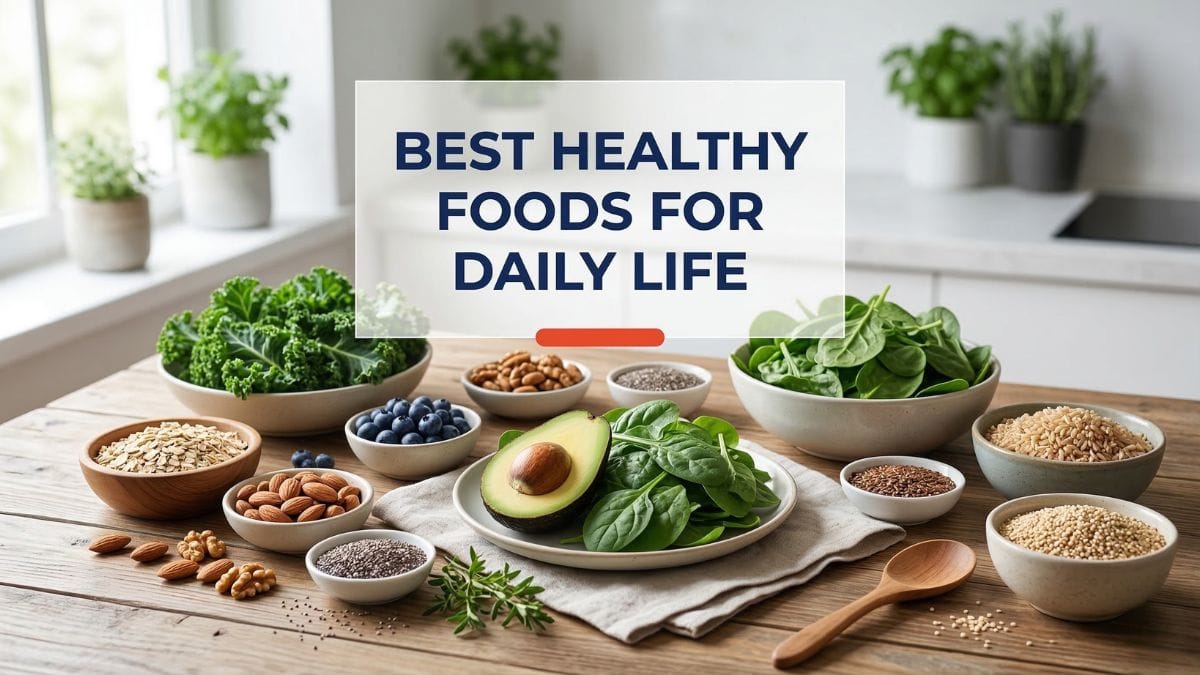
A healthy daily diet doesn’t come from one magical food. It comes from balanced meals made with whole, nourishing ingredients that support energy, digestion, heart health, and long-term wellness.
👉 Quick tip: Save this guide or bookmark it so you can easily revisit it when planning meals or grocery shopping.
What Is the Healthiest Food to Eat Every Day?
The Simple Truth About Daily Nutrition
The healthiest food to eat every day isn’t a single ingredient.
Instead, it’s a balanced eating pattern built around whole foods that nourish your body consistently.
Most nutrition experts agree that healthy daily eating should include:
- vegetables
- whole grains
- legumes
- fruits
- healthy fats
- natural protein sources
Together, these foods provide the fiber, vitamins, minerals, and healthy fats your body needs for steady energy, strong digestion, and overall wellness.
Why There Isn’t Just One “Perfect” Food
No single food can provide every nutrient your body needs.
For example:
- Vegetables supply fiber and antioxidants
- Whole grains provide long-lasting energy
- Healthy fats support brain and heart health
- Proteins support muscle repair and metabolism
When these foods work together in balanced meals, they create a powerful foundation for good health.
In my experience developing healthy recipes, people who feel their best usually follow simple balanced eating habits, not extreme diets.
The Healthiest Foods to Eat Every Day
Instead of focusing on one “superfood,” it’s more helpful to focus on nutrient-dense food groups.
Here are some of the healthiest foods you can include regularly.
Vegetables – The Foundation of Healthy Eating
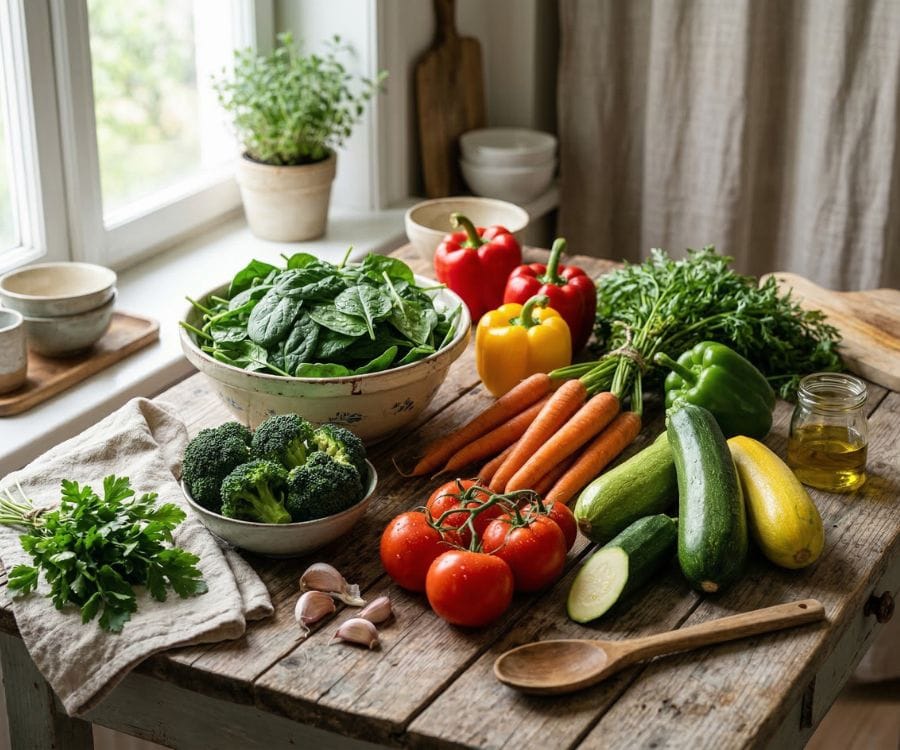
Vegetables are among the most nutrient-dense foods available.
Some of the best everyday vegetables include:
- spinach
- broccoli
- kale
- bell peppers
- carrots
- tomatoes
- zucchini
These foods are naturally rich in:
- fiber
- antioxidants
- vitamins and minerals
📌 Pro tip: Try filling half your plate with vegetables at lunch and dinner. It’s one of the easiest ways to improve your daily nutrition.
Whole Grains for Steady Energy
Whole grains provide slow-digesting carbohydrates that help maintain stable energy levels throughout the day.
Healthy options include:
- oats
- brown rice
- quinoa
- barley
- whole wheat
Compared to refined grains, whole grains contain more fiber and nutrients that support digestion and heart health.
Many people notice fewer energy crashes when they replace refined carbs with whole grains.
Beans and Legumes for Plant Protein
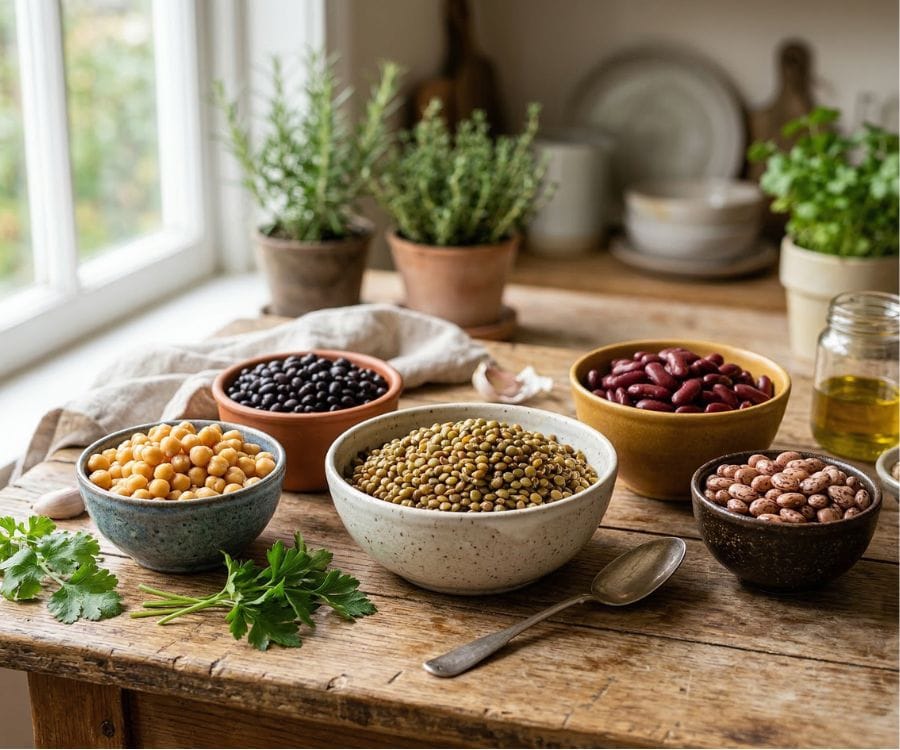
Beans and legumes are some of the most underrated healthy foods in everyday diets.
Great daily options include:
- lentils
- chickpeas
- black beans
- kidney beans
- pinto beans
Benefits include:
- plant-based protein
- excellent fiber content
- support for gut bacteria
- improved cholesterol levels
They’re also affordable and easy to add to soups, salads, bowls, or wraps.
Healthy Fats That Support Heart Health
Healthy fats are essential for overall wellness.
Some of the best options include:
- olive oil
- avocados
- almonds
- walnuts
- chia seeds
- flaxseeds
These fats help support:
- brain function
- hormone balance
- vitamin absorption
📌 Quick tip: Because fats are calorie-dense, a small handful of nuts or a drizzle of olive oil is usually enough.
Whole Fruits for Natural Nutrition
Fruits provide natural sweetness along with valuable nutrients.
Healthy daily fruits include:
- apples
- berries
- oranges
- bananas
- pears
Whole fruits are much better than fruit juice because they contain fiber that slows sugar absorption.
This helps support stable blood sugar and better digestion.
What Should a Healthy Daily Plate Look Like?
The Balanced Plate Formula
Rather than focusing on one food, nutrition experts often recommend using a balanced plate model.
A simple approach looks like this:
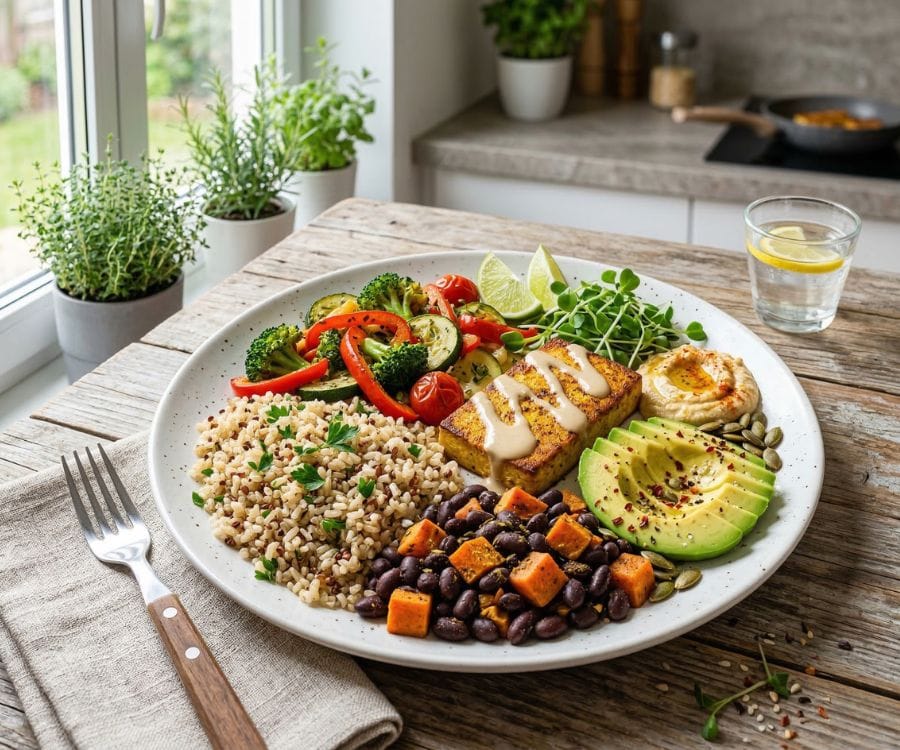
🥗 50% vegetables
🌾 25% whole grains
🫘 20% protein (beans, fish, eggs, tofu)
🥑 5% healthy fats
This balance helps support:
- steady energy
- improved digestion
- reduced inflammation
- long-term heart health
How Portion Balance Supports Long-Term Health
Balanced meals prevent common nutrition problems such as:
- energy crashes
- overeating processed foods
- poor digestion
The best part is that this approach is flexible and sustainable, making healthy eating easier to maintain long term.
Free Healthy Meal Guide for Busy Days
If you’re trying to eat healthier but often run out of meal ideas, I created a helpful resource for you.
It’s called:
“7 Simple Healthy Meals You Can Eat Every Day.”
Inside the guide you’ll find:
- quick balanced meal ideas
- simple healthy breakfast recipes
- easy plant-based meal combinations
- helpful grocery shopping tips
If you’d like the guide, leave a comment below or send a message, and I’ll personally send it to you within 24–48 hours.
Can You Eat the Same Healthy Foods Every Day?
Why Variety Still Matters
Eating healthy foods daily is great, but variety helps ensure your body receives a broader range of nutrients.
For example, different vegetables contain different antioxidants and vitamins.
Small changes in your weekly food rotation can make a big difference.
Simple Ways to Rotate Healthy Foods
Try rotating ingredients like this:
- spinach one week, kale the next
- brown rice one day, quinoa another
- lentils one day, chickpeas the next
These small changes keep meals interesting while improving nutrition diversity.
oice Search Questions
What Foods Should You Eat Every Day to Stay Healthy?
A healthy daily diet should include vegetables, fruits, whole grains, healthy fats, and quality protein sources.
This combination supports balanced nutrition for energy, digestion, and long-term wellness.
What Is the Healthiest Diet for Long-Term Health?
Research consistently supports whole-food diets, especially plant-forward eating patterns like the Mediterranean diet.
These diets emphasize vegetables, legumes, whole grains, and healthy fats.
Is There One Food You Should Eat Daily?
Vegetables are often considered the most important daily food because they provide fiber, antioxidants, and essential nutrients.
However, overall health still depends on balanced meals rather than one food alone.
Common Healthy Eating Mistakes
Over-Relying on Supplements
Supplements can be useful in certain situations, but they shouldn’t replace real food.
Whole foods provide nutrients in forms your body absorbs more effectively.
Cutting Out Entire Food Groups
Extreme diets that remove carbs or fats can create nutritional gaps.
Balanced eating patterns are usually healthier and easier to maintain long term.
Following Extreme Diet Trends
Many popular diets promise fast results but are difficult to sustain.
Consistent healthy habits usually produce better long-term results than strict diet rules.
Frequently Asked Questions
What is the single healthiest food to eat every day?
Leafy vegetables such as spinach and kale are often considered among the healthiest foods because they provide fiber, vitamins, minerals, and antioxidants.
What foods should you eat daily for good health?
A balanced diet should include vegetables, fruits, whole grains, healthy fats, and protein sources like beans, eggs, fish, or yogurt.
Is it healthy to eat the same foods every day?
Yes, eating similar healthy meals daily can work well. However, rotating ingredients helps ensure better nutrient variety.
What is the healthiest breakfast to eat every day?
A balanced breakfast that includes protein, fiber, and healthy fats—such as yogurt with fruit and nuts—can support steady energy.
Do I need supplements if I eat healthy foods?
Most people can meet their nutritional needs through a varied whole-food diet. Supplements may still be helpful in specific situations.
Related Healthy Recipes
If you’re working on building healthier meals, these recipes can help support balanced daily eating:
- Green Detox Smoothie for Weight Loss
- Mediterranean Chickpea Salad Recipe
- Healthy Breakfast Smoothie Recipes
- Healthy Oven-Baked Garlic Bread
- Easy High Protein Lunch Ideas
- 7 Healthy Smoothies for Busy Mornings
These recipes help build simple, nutritious meals while keeping healthy eating practical.
Final Thoughts
The healthiest food to eat every day isn’t a single ingredient.
It’s a balanced pattern of whole foods that includes vegetables, whole grains, legumes, fruits, healthy fats, and natural protein sources.
If most of your meals are:
- whole and minimally processed
- plant-focused
- rich in fiber
- balanced in portions
then you’re already supporting long-term health.
👉 If this guide helped you better understand healthy daily eating, save it for later or share it with someone who wants to improve their diet. Small daily habits can lead to meaningful long-term health benefits.