

 By
By Many people ask a simple but fascinating question:
“What is the No. 1 healthiest food in the world?”
It sounds like there should be one perfect answer. Maybe a trendy superfood, a special fruit, or a miracle vegetable that solves every health problem.
But the internet often makes things confusing. One article praises blueberries. Another claims avocados are the healthiest. Then suddenly a new superfood becomes popular.
So what’s the real answer?
In this guide, we’ll explore what nutrition experts consistently rank among the healthiest foods, why they matter, and how you can easily add them to everyday meals for better long-term health.
👉 Quick tip: Save or bookmark this guide so you can revisit it when planning healthy meals for the week.
⚠️ DISCLAIMER
As an Amazon Associate, I earn from qualifying purchases. This comes at no extra cost to you.
What Is the No. 1 Healthiest Food in the World?
The Science Behind Nutrient-Dense Foods
When nutrition experts talk about healthy foods, they usually focus on nutrient density.
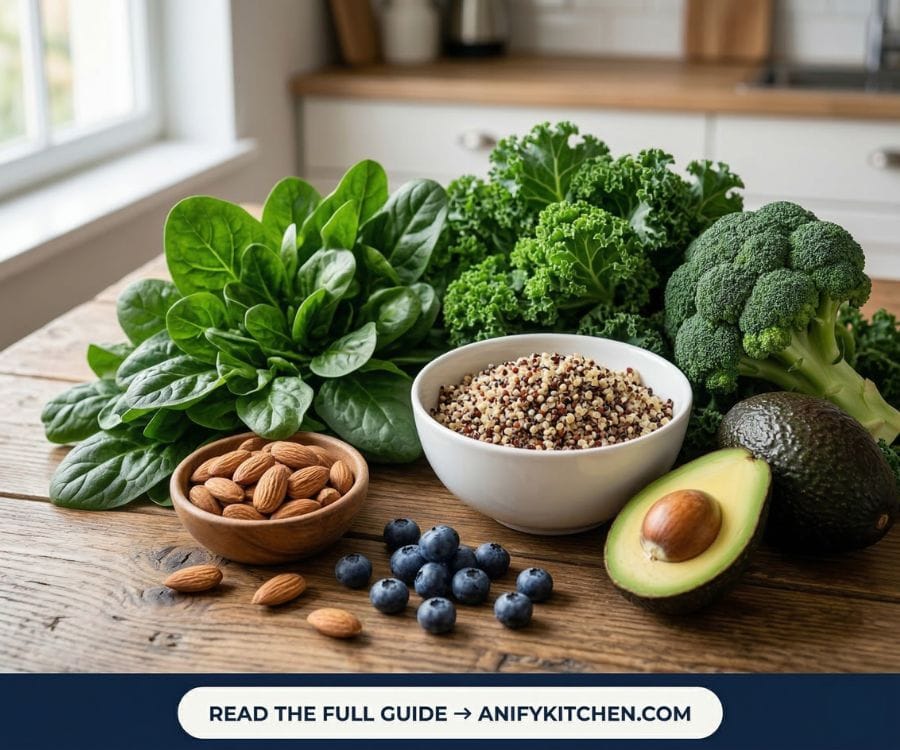
Nutrient-dense foods provide high amounts of vitamins, minerals, fiber, and antioxidants while staying relatively low in calories.
In simple terms, these foods give your body more nutrition in every bite.
Common nutrient-dense foods include:
- leafy green vegetables
- berries
- beans and legumes
- nuts and seeds
- whole grains
These foods help support energy, heart health, digestion, and immune function.
Why Leafy Greens Are Often Ranked the Healthiest
While no single food contains everything your body needs, leafy green vegetables are often considered the healthiest foods in the world.
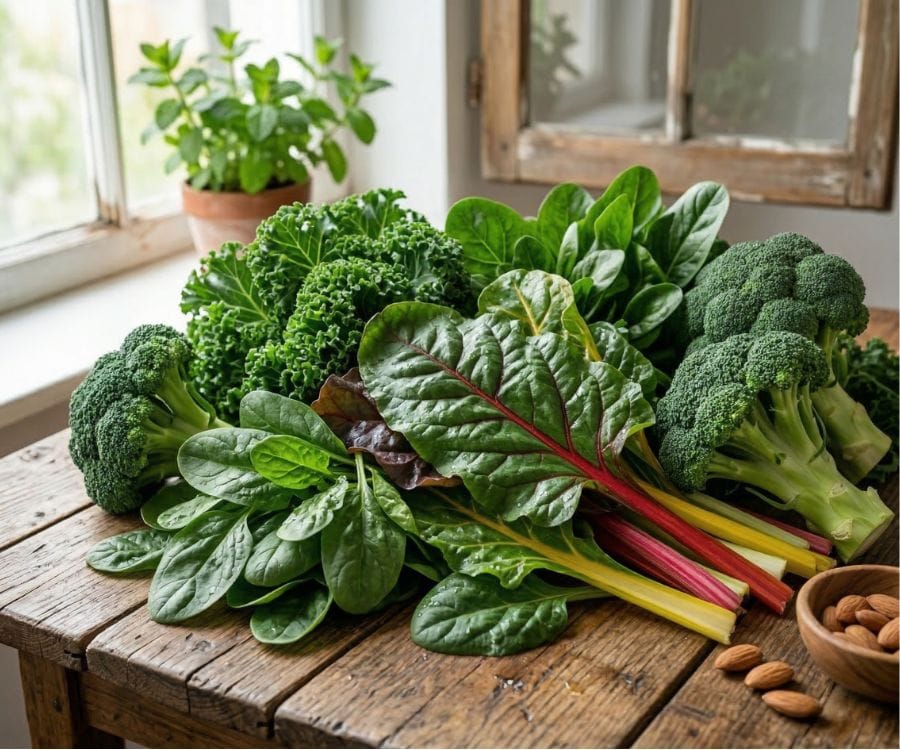
Nutrition experts frequently recommend vegetables such as:
- spinach
- kale
- Swiss chard
- collard greens
These greens are rich in vitamins, antioxidants, fiber, and essential minerals. At the same time, they are naturally low in calories.
From a cooking perspective, they’re also extremely flexible. You can add them to smoothies, soups, salads, or quick stir-fries.
Quick Answer (Featured Snippet)
The No.1 healthiest food in the world is often considered leafy green vegetables such as spinach and kale. These foods are extremely nutrient-dense and provide vitamins A, C, K, fiber, antioxidants, and essential minerals. Because they deliver high nutrition with very few calories, nutrition experts widely recommend them as part of a healthy daily diet.
Leafy Greens (Spinach, Kale, Swiss Chard)
Leafy greens are often described as nutritional powerhouses.
They provide nutrients such as:
- vitamin K for bone health
- vitamin C for immune support
- antioxidants that help reduce inflammation
- fiber that supports digestion
In everyday life, a simple habit like adding one serving of leafy greens daily can make a meaningful difference.
For example, adding a handful of spinach to a smoothie is an easy starting point.
💡 Quick tip: Baby spinach has a mild taste, which makes it great for beginners who are just starting to eat more greens.
Berries and Antioxidant-Rich Fruits
Berries may be small, but they are incredibly nutrient-dense.
Healthy options include:
- blueberries
- strawberries
- raspberries
- blackberries
Berries are packed with antioxidants that help protect your body’s cells.
They also support brain health and heart health. Plus, their natural sweetness makes them a great alternative to sugary desserts.
Nuts and Seeds for Healthy Fats
Healthy fats are an important part of balanced nutrition.
Great everyday choices include:
- almonds
- walnuts
- chia seeds
- flaxseeds
These foods provide omega-3 fatty acids, protein, and fiber. Together, these nutrients help support heart health and keep you feeling full longer.
⚡ Helpful advice: Because nuts are calorie-dense, stick to small portions—about a handful per day.
Beans and Legumes for Plant Protein
Beans are one of the most underrated healthy foods.
Excellent options include:
- chickpeas
- lentils
- black beans
- kidney beans
They provide plant-based protein, fiber, iron, and magnesium.
Many nutrition experts consider beans one of the most affordable and healthiest foods available.
They are also extremely versatile and can be added to salads, soups, or grain bowls.
Whole Grains for Balanced Energy
Whole grains help provide steady energy throughout the day.
Healthy examples include:
- oats
- quinoa
- brown rice
- barley
- whole wheat
Compared to refined grains, whole grains contain more fiber and nutrients that support digestion and heart health.
A bowl of oatmeal with fruit and nuts is a great example of a balanced breakfast.
A Simple Guide to Eating Healthier Every Week
If you’re trying to eat healthier but sometimes feel unsure where to start, I created a simple guide called:
“10 Nutrient-Dense Foods You Should Eat Every Week.”
Inside the guide you’ll find:
- a simple healthiest foods list
- easy meal ideas for busy days
- practical grocery shopping tips
- quick nutrient-dense recipes
If you’d like the guide, leave a comment below or send a message, and I’ll personally send the PDF within 24–48 hours.
Why Leafy Greens Are Often Considered the Healthiest Food
High Nutrient Density
Leafy greens provide an impressive amount of nutrients compared to their calories.
For example, spinach contains:
- iron
- folate
- magnesium
- vitamin A
- vitamin K
These nutrients help support energy levels, bone strength, and immune health.
Rich in Vitamins and Antioxidants
Green vegetables are naturally rich in antioxidants.
These compounds help protect cells from oxidative stress, which is linked to many chronic diseases.
Eating a wide variety of colorful vegetables helps ensure your body receives a broad range of nutrients.
Supports Heart and Digestive Health
Leafy greens are high in dietary fiber, which supports healthy digestion.
They also contain nutrients that help support heart health and balanced cholesterol levels.
Even small habits—like adding greens to lunch or dinner—can lead to meaningful health improvements over time.
How to Add the Healthiest Foods to Your Daily Diet
Simple Meal Ideas for Everyday Nutrition
Healthy eating doesn’t have to be complicated.
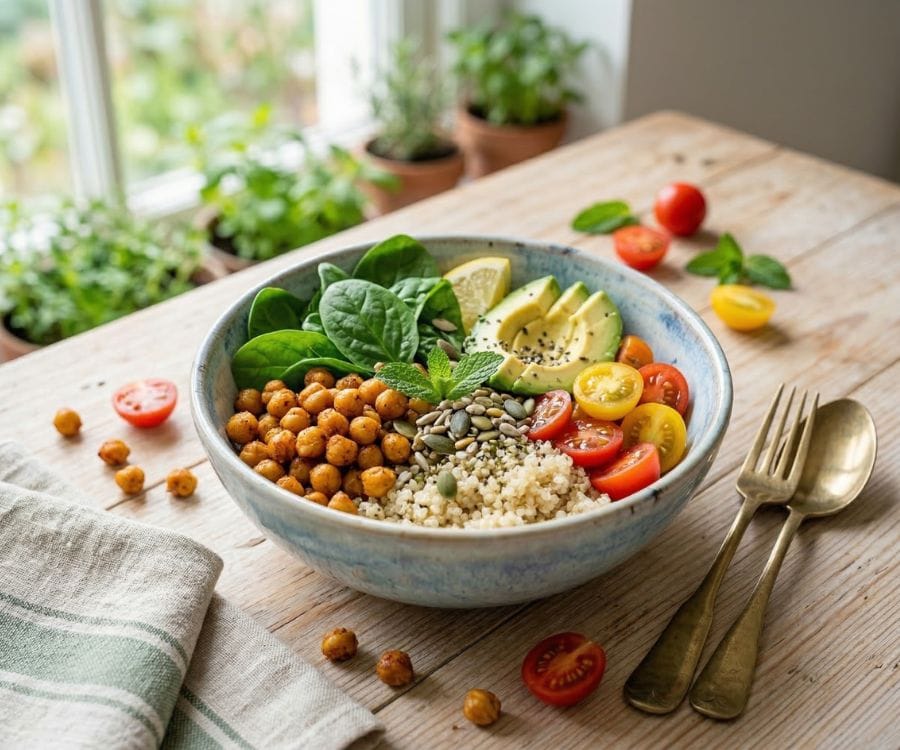
Some easy meal ideas include:
- smoothies with spinach and berries
- oatmeal topped with fruit and nuts
- quinoa bowls with beans and vegetables
- salads with olive oil and seeds
Balanced meals typically include fiber, healthy fats, and protein.
Easy Ways to Include More Greens in Your Meals
If you’re new to leafy greens, start with small steps.
Some easy ideas include:
- blending spinach into smoothies
- adding kale to soups
- tossing greens into scrambled eggs
- mixing chopped greens into pasta sauces
These small changes make healthy eating feel more practical and sustainable.
Easy Ways to Include More Greens in Your Meals
If you’re new to leafy greens, start with small steps.
Some easy ideas include:
- blending spinach into smoothies
- adding kale to soups
- tossing greens into scrambled eggs
- mixing chopped greens into pasta sauces
These small changes make healthy eating feel more practical and sustainable.
Voice Search Questions
What Is the Healthiest Food in the World to Eat Daily?
Leafy green vegetables such as spinach and kale are commonly recommended because they provide vitamins, minerals, antioxidants, and fiber while remaining low in calories.
Which Vegetable Is the Healthiest?
Many nutrition experts consider kale, spinach, and broccoli among the healthiest vegetables due to their high nutrient density.
Common Mistakes When Choosing “Healthy Foods”
Relying Only on Supplements
Supplements can help in certain situations, but they shouldn’t replace real food.
Whole foods provide nutrients in natural combinations that the body absorbs more effectively.
Common Mistakes When Choosing “Healthy Foods”
Relying Only on Supplements
Supplements can help in certain situations, but they shouldn’t replace real food.
Whole foods provide nutrients in natural combinations that the body absorbs more effectively.
Ignoring Whole Food Nutrition
Highly processed foods labeled “healthy” can sometimes be misleading.
Focus on whole, minimally processed foods whenever possible.
Ignoring Whole Food Nutrition
Highly processed foods labeled “healthy” can sometimes be misleading.
Focus on whole, minimally processed foods whenever possible.
⚠️ DISCLAIMER
As an Amazon Associate, I earn from qualifying purchases. This comes at no extra cost to you.
Frequently Asked Questions
What is the No.1 healthiest food in the world?
Leafy greens such as spinach and kale are often considered among the healthiest foods because they contain vitamins, antioxidants, and fiber.
Can one food provide all the nutrients your body needs?
No single food contains every nutrient your body needs. A balanced diet with a variety of whole foods is the healthiest approach.
Can one food provide all the nutrients your body needs?
No single food contains every nutrient your body needs. A balanced diet with a variety of whole foods is the healthiest approach.
What is the healthiest vegetable in the world?
Kale, spinach, and broccoli are commonly ranked among the healthiest vegetables because of their high nutrient content.
Related Healthy Recipes
If you’re trying to build healthier eating habits, these recipes can help:
- Green Detox Smoothie for Weight Loss
- Mediterranean Chickpea Salad Recipe
- Easy Sugar Cookie Frosting
- 15 Easy Gluten Free Vegan Recipes
- Crockpot Broccoli Cheddar Soup
- 7 Healthy Smoothies for Busy Mornings
- What Is the Healthiest Food to Eat Every Day?
These recipes help create balanced, nutritious meals that are easy to prepare.
Final Thoughts
The No.1 healthiest food in the world isn’t really about one ingredient.
Instead, long-term health comes from a balanced diet built around nutrient-dense foods like leafy greens, berries, legumes, whole grains, nuts, and healthy fats.
If most of your meals focus on whole foods, vegetables, and balanced portions, you’re already moving in the right direction.
👉 If this guide helped you understand healthy eating better, save it for later or share it with someone who wants to improve their diet. Small daily food choices can create powerful health benefits over time.